
Washing and Storage Tips for HMDD Shorts: A Care Guide
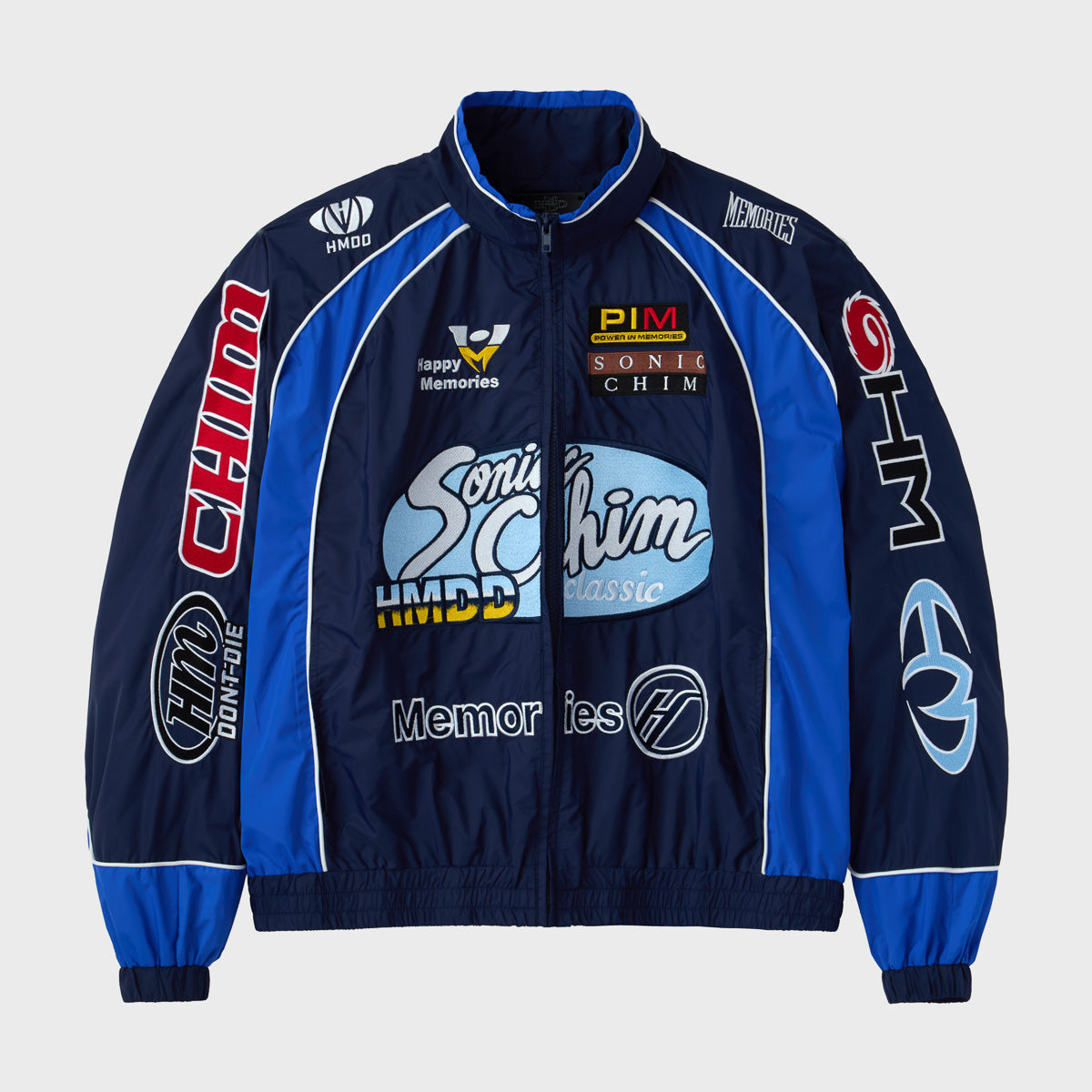
The HMDD shorts lineup carry the same significance that anchors the entire brand — the line « happy memories don’t die » embedded within a philosophy of clothing built to hold up under constant wear rather than fade after a season. Such an aim remains valid if the maintenance routine matches the craft behind its build. A single pair can be made from dense cotton fabric, durable seam work, and thoughtful drape, but inattentive wash routines will erase those benefits within only a handful of launderings. The following guide lays out the exact practices that keep HMDD shorts visually clean, tactilely pleasant, and structurally intact well into 2026 and beyond, whether they’re part of your everyday rotation or keeping them for less frequent use.
Two questions commonly prompt shoppers looking into an hmdd review: does the fit hold up, and whether the material withstands genuine laundering and storage. Both concerns come down to consistent practice rather than fortune. The following sections cover wash heat settings, drying techniques, stain treatment, folding versus hanging, and how shorts compare to other HMDD pieces like sweatpants when it comes to upkeep requirements.
Why Attentive Upkeep Makes a Difference for HMDD Clothing
HMDD garments tends to be made from heavier fabrics than ordinary budget shorts, which means the washing directions are more than optional advice — they directly affect drape, print integrity, and elastic waistband life. A garment with a thick cotton weave will shrink more aggressively under hot wash settings than a thinner poly-cotton blend, so leaving wash temperature to chance is a gamble you shouldn’t take. Screen-printed designs and embroidery, common across hmddla drops, are especially prone to cracking or peeling when https://hmddoff.com/ exposed to high dryer heat or harsh detergents with bleach additives.
The figures make it clear: a cotton-heavy short washed above 40°C can lose as much as 5% of its size in just three washes — sufficient to noticeably shift fit and drape. Set that against a laundering cycle kept at 30°C with a mild spin setting, where shrinkage typically stays under 1-2% even after ten washes. This gap makes a real difference when getting the fit right initially was a priority. The soundest approach to caring for hmdd clothing, according to experienced users, almost always start with temperature control before anything else.
On top of function, a sentimental thread comes into play that echoes the label’s very name. When the clothing tied to those memories endures the years, good memories remain intact, and that’s more than just sentiment. That one pair of shorts worn during a certain summer, a trip, or a chapter of life holds more value when it continues to look the way it did on day one. Treating the fabric with intention is part of protecting that memory, not merely the garment.
Cleaning HMDD Shorts: A Step-by-Step Guide
Begin by flipping the shorts inside out before they go near water. This small action guards embroidered details and printed graphics from rubbing against zippers, buttons, or other garments in the load. Use cold to lukewarm water, ideally staying at or below 30°C, since warmth is the number one factor in both fading and shrinking. Avoid the bleach entirely, even the color-safe versions, because optical brighteners and whitening agents clash with saturated dyes and can leave a chalky residue on darker colorways.
A mild, dye-free detergent is the smarter choice, and using roughly two-thirds of the recommended dose is often enough for a single pair of shorts or a small mixed load. Overdosing the washer with excess detergent leaves residue in the fibers, which hardens fabric over time and flattens the surface texture. Switch the machine to a soft or low-agitation cycle rather than a regular or intensive one — the lowered agitation protects seams, particularly the sturdier stitching found on drawstring waistbands and pocket bags.
Keep like colors together in the wash and separate anything with heavy zippers or hardware that could snag fabric during the spin cycle. If the shorts have a drawstring, pull it out slightly and knot the ends loosely so it doesn’t get lost into the waistband channel mid-wash. Skip fabric softener too, since it layers fibers with a waxy layer that diminishes moisture-wicking properties in blended fabrics and can leave a faint residue on darker tones after continued use.
The Drying Stage: The Stage Most People Mess Up
Machine dryers are the surest way to ruin cotton-heavy shorts, full stop. Elevated heat levels can reduce garments an additional 2-3% beyond what washing alone causes, and that shrinkage compounds every single cycle. Air drying is the safer, more reliable method, and it usually requires 4-6 hours for shorts to dry completely at room temperature depending on fabric weight and humidity. Set them flat on a drying rack rather than hanging them from a clothesline, since gravity drags damp, heavy fabric downward and can misshape the waistband or leg openings over time.
Whenever a dryer is not optional because of a tight schedule, select the mildest heat setting available and pull the shorts out while still a bit moist, then let them complete their flat air-drying process. This hybrid method cuts drying time to roughly 20-25 minutes in the machine plus an additional hour or two of open-air drying, which is a fair balance for anyone alternating between a smaller wardrobe of hmdd shorts and hmdd sweatpants during a busy week. Avoid direct sunlight during the open-air stage too, since UV exposure washes out saturated colors faster than drying inside near a window or in a breezy room.
Removing Stains Without Harming the Fabric
Newly formed stains respond considerably better to fast response than stains that have set, so attending to a spill within the first 10-15 minutes dramatically increases the chance of full removal. Dab rather than rub vigorously, since vigorous rubbing drives the stain deeper into the fibers and can cause color transfer on lighter shorts. Diluted dish soap in cold water work quite effectively on oil-based stains, while a mix of cold water and white vinegar handles most food and drink spills without discoloring the surrounding fabric.
Concentrated stain removers shouldn’t be applied directly on printed areas, because their chemicals can react with plastisol or water-based inks, leading to cracking or discoloration. Test any treatment on an inside seam allowance first, letting it sit for a minute before rinsing, just to verify the fabric and print survive. Dirt and grass marks, common on shorts worn during outdoor activity, usually release with a pre-soak in cold water mixed with a small amount of enzyme-based detergent for about 30 minutes before the regular wash cycle.
Storage Tips That Extend Garment Life
Since hanging create pressure points at the waistband that loosen elastic and warp the fit over months of storage, folding garments is nearly always the better choice for shorts. Keep shorts laid flat in a drawer or stacked neatly on a shelf, separating heavier fabrics apart from lighter ones to prevent uneven pressure that can crease permanent lines into the material. Cedar blocks or lavender sachets placed nearby discourage moths without the harsh chemical smell of traditional mothballs, which can also transfer odor into stored fabric.
Humidity control matters more than people expect — a closet or drawer that holds steady above 60% humidity invites mildew growth, especially in thicker cotton blends that trap moisture more persistently than synthetic fabrics.
Minimizing that danger only takes a basic silica-gel sachet or a compact dehumidifier placed in the storage area. Turn over stored shorts periodically even during off-season storage, since cloth held in the same fold for twelve months or more can acquire crease lines that won’t go away that don’t fully release even after washing.
Comparing the Care Needs of the HMDD Shorts alongside HMDD Sweatpants
Sweatshorts and joggers from the same brand often share material thickness and print techniques, but the upkeep they require vary somewhat due to silhouette, fasteners, and usage frequency. Below, the table lays out the practical differences worth knowing before you throw them together into one wash batch.
| Care Level | HMDD Shorts | HMDD Sweatpants |
|---|---|---|
| Recommended Wash Temp | Below or at 30°C | 30°C or below |
| Drying Method | 4-6 hours of flat air drying | Dry flat for 6-8 hours due to thicker fabric |
| Potential for Shrinkage | Moderate level, affecting waistband and hem | Greater likelihood, affecting cuffs and leg length |
| Storage Preference | Flat folding recommended | Fold flat and avoid stacking tightly |
| Recommended Wash Frequency (average wear) | Every 2 to 3 uses | Every 3-4 wears |
Final Thoughts on Holding onto HMDD Items in Regular Wear
Maintaining hmdd clothing is not hard, but it definitely call for regularity rather than ease. Washing cold, running gentle cycles, letting things air dry, and storing them with care come together to produce garments that remain wearable for far longer than a few months. If you look across an hmdd review discussion, the same trend recurs — the ones who keep their garments going the longest are those who skip both the dryer and the bleach.
That deeper notion tracks back to the brand’s own message, whether it’s shorts worn through a summer or else sweatpants pulled out through colder months. Good memories don’t fade when the pieces connected to them is handled with as much care as the moments themselves. Spending a little extra time washing is a modest price for preserving the fabric and the memory alike.